
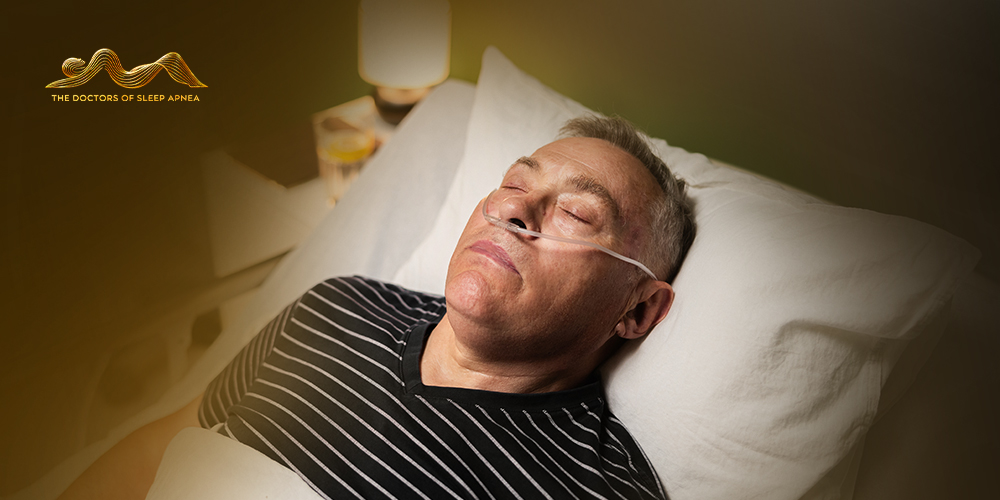
Here is the uncomfortable part. Your body may be fighting for air all night, and the damage builds in silence. Here is the better part. You can stop it. This guide shows what happens when apnea goes ignored, and what to do about it.
Quick Answer
Untreated sleep apnea repeatedly interrupts breathing during sleep. Oxygen drops, stress hormones spike, and sleep turns shallow. Over the years, this raises the risk of high blood pressure, heart disease, stroke, type 2 diabetes, depression, and drowsy driving crashes. A sleep test confirms the diagnosis. Treatment, such as CPAP or an oral appliance, can ease much of the strain.
Key Takeaways
- Each breathing pause stresses your heart, brain, and blood sugar control.
- The long-term effects of sleep apnea include hypertension, stroke, diabetes, and mood changes.
- Loud snoring, gasping, and morning headaches are common red flags.
- Not everyone with apnea is overweight. Many are not.
- A sleep test gives clear answers, and treatment works.
What Happens If Sleep Apnea Goes Untreated?
Short answer: your body wears down, slowly at first, then faster. Untreated obstructive sleep apnea lets your airway collapse again and again while you sleep. Throat muscles relax. The airway narrows or closes. Oxygen falls, and your brain jolts you awake just enough to gasp. You rarely remember it.
In severe cases, this happens 30 times or more per hour. Each event releases adrenaline and cortisol. Heart rate jumps. Blood pressure climbs. Deep sleep never gets a chance.
Now repeat that for years. That cycle sits at the core of the dangers of untreated sleep apnea. The National Heart, Lung, and Blood Institute lists high blood pressure, heart failure, stroke, and diabetes among its possible complications.
Your Heart and Blood Pressure Take the First Hit
Low oxygen tightens blood vessels. Pressure rises and often stays high during the day. Researchers have tied untreated sleep apnea to several heart problems:
- Resistant hypertension, meaning pressure that stays high despite medication.
- Atrial fibrillation, an irregular heart rhythm.
- Heart failure.
- Coronary artery disease and a higher chance of heart attack.
Consider a common scenario. A 52-year-old takes two blood pressure pills and still reads high at every checkup. His doctor finally orders a sleep test. It reveals severe apnea. Once treatment begins, his numbers often come down.
Stroke, Diabetes, and the Weight Loop
Stroke risk climbs because blood pressure swings and oxygen dips strain the vessels. Studies link moderate to severe apnea with a higher chance of stroke.
Blood sugar suffers too. Broken sleep makes cells respond poorly to insulin. Glucose creeps up. Many people with type 2 diabetes also have apnea, and most never get checked.
Then comes weight. Poor sleep raises hunger hormones. You crave carbs and skip workouts. Extra weight narrows the airway further, and sleep gets worse. It becomes a loop.
The long-term effects of sleep apnea reach the liver as well. Fatty liver disease appears more often in people with apnea. Researchers are still sorting out how much is cause and how much is overlap.
Brain Fog, Mood, and Memory
Sleep is when your brain files memories and clears waste. Fragmented sleep cuts that work short. Untreated obstructive sleep apnea is tied to poor focus, memory slips, irritability, anxiety, and depression.
Some studies also connect it with a higher risk of cognitive decline. Scientists have not proven a direct line yet. Still, the pattern deserves attention.
You may notice smaller signs first. You forget words mid-sentence. You reread the same email. You snap at people you love.
Drowsy Driving, Surgery, and Daily Life
Sleepiness behind the wheel is a real hazard. Drivers with untreated sleep apnea face a higher crash risk, and microsleeps can strike in seconds.
The long-term effects of sleep apnea also spill into work and home life:
- Lower work performance and more sick days.
- Strained relationships, since partners lose sleep as well.
- Higher odds of complications after surgery and anesthesia.
- Morning headaches that drain your day.
Who Is Most at Risk?
The American Academy of Sleep Medicine estimates that about 30 million adults in the United States live with sleep apnea. Many do not know it. Risk rises with:
- Age over 40.
- Male sex, though risk in women climbs after menopause.
- Excess weight or a thick neck.
- High blood pressure.
- Family history.
- Smoking and evening alcohol.
- Nasal congestion, enlarged tonsils, or a narrow jaw.
Slim people get apnea too. Anatomy matters as much as weight.
Warning Signs You Should Not Ignore
Untreated sleep apnea often hides behind “normal” tiredness. Watch for these signs:
- Loud snoring with pauses, gasps, or choking.
- Waking with a dry mouth or a headache.
- Falling asleep at red lights or during meetings.
- Frequent bathroom trips at night.
- Night sweats.
- Trouble focusing, even after a full night in bed.
Some people never snore loudly. Others only learn the truth because a partner speaks up. The Mayo Clinic describes similar symptoms. If two or three sound familiar, ask about a sleep test.
Treatment Works, and Earlier Is Better
Here is the encouraging part. Your sleep apnea treatment options are broader than most people expect. CPAP remains the gold standard for many patients. Custom oral appliances suit mild to moderate cases, and they help people who cannot tolerate a mask. Positional therapy, weight management, and sometimes surgery also play a role.
Care for obstructive sleep apnea starts with a proper diagnosis. A home sleep test or an in-lab study measures breathing, oxygen, and heart rate. Then your provider matches therapy to your anatomy and lifestyle.
Does it pay off? Evidence says yes. Treatment can lower blood pressure, sharpen focus, and cut daytime sleepiness. The dangers of untreated sleep apnea shrink once your airway stays open at night.
Conclusion
Untreated sleep apnea rarely announces itself with drama. It chips away at your heart, mind, and energy. The dangers of untreated sleep apnea are serious, yet they are preventable. Knowing the long-term effects of sleep apnea gives you a head start.
At The Doctors of Sleep Apnea, our team in Fort Lauderdale and Pembroke Pines helps patients get answers fast. Led by Dr. Hassan Al Maghazchi, D.M.D., D.D.S., we offer sleep tests, snoring solutions, oral appliances, and CPAP support. Visit The Doctors of Sleep Apnea to book your sleep test and start sleeping like it counts.
Frequently Asked Questions
Can untreated sleep apnea be life-threatening?
Indirectly, yes. It raises the risk of heart attacks, stroke, and accidents. Research also links severe, long-standing cases with higher mortality.
What happens if you ignore sleep apnea for years?
Strain builds on your heart, brain, and metabolism. Blood pressure, blood sugar, and mood often worsen.
Can sleep apnea go away on its own?
Rarely. Weight loss helps some people. Still, untreated obstructive sleep apnea usually worsens with age and weight gain.
How do doctors diagnose untreated obstructive sleep apnea?
A sleep test does it. Home tests work for many adults, while an in-lab study suits complex cases.
Are the health effects reversible?
Many improve with treatment, including blood pressure and energy. Damage left too long may not fully recover.

Disclaimer
This blog is for informational purposes only and is not medical advice. It does not replace an exam, diagnosis, or treatment plan from a qualified provider. If you suspect sleep apnea, please consult our sleep apnea specialist or your physician.


