
Quick Answer
CPAP stands for Continuous Positive Airway Pressure. It’s a machine-based treatment that delivers a steady stream of pressurized air through a mask, keeping the airway open all night so breathing doesn’t stop and start. It’s the most widely prescribed treatment for obstructive sleep apnea, and it works by preventing the airway collapse that causes apnea events in the first place.
Key Takeaways
- CPAP therapy uses gentle, constant air pressure to keep the airway from collapsing during sleep.
- It’s the first-line treatment for obstructive sleep apnea, and studies back it as the most effective option available.
- A proper mask fit and pressure setting matter more than the brand of machine.
- Most people need two to four weeks to adjust. Discomfort early on doesn’t mean CPAP isn’t working.
- Skipping nights, even occasionally, lets symptoms creep back fast.
Three in the morning. You wake up gasping, heart pounding, and you have no idea why. Your partner mentions, again, that you stopped breathing in your sleep. Sound familiar? For millions of people with undiagnosed obstructive sleep apnea, this isn’t a rare night. It’s most nights, on repeat, for years.
So what is CPAP therapy, and why does almost every sleep doctor bring it up first? It’s not a cure. It’s not glamorous. But it’s the treatment with the strongest track record for actually fixing the breathing problem at its source, not just masking the symptoms.
This guide walks through what is CPAP therapy in practical terms, how it physically treats sleep apnea, what the first weeks look like, and where people commonly get stuck.
What Is CPAP Therapy, Exactly?
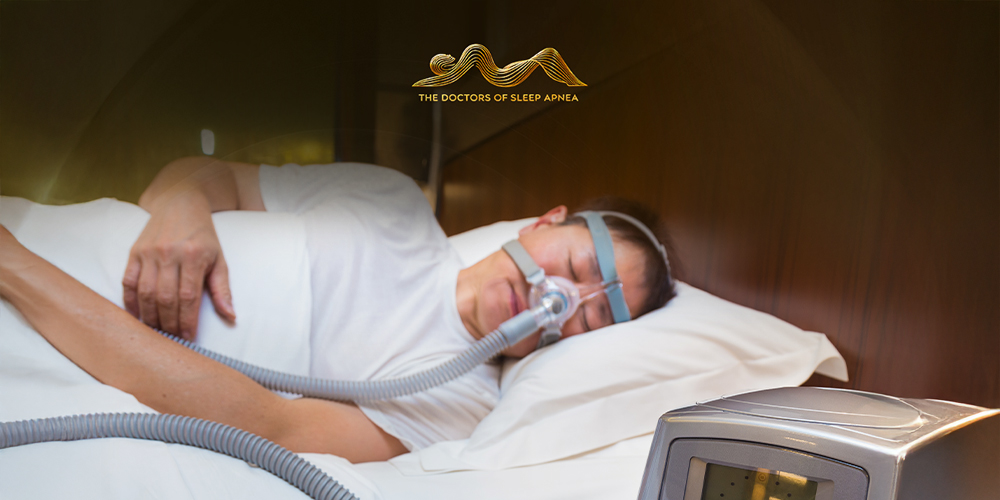
CPAP stands for Continuous Positive Airway Pressure. A small bedside machine pulls in room air, pressurizes it slightly, and pushes it through tubing into a mask you wear over your nose, mouth, or both.
That steady air pressure acts like an internal splint. It holds your throat tissue open, so it can’t collapse and block your airway the way it does with untreated apnea.
Unlike a ventilator, CPAP doesn’t breathe for you. You’re still doing the breathing. The machine just keeps the path clear.
How Does CPAP Actually Treat Sleep Apnea?
Obstructive sleep apnea happens when throat muscles relax too much during sleep. The airway narrows, sometimes closes completely, and breathing stops for seconds at a time, occasionally longer.
Each pause drops your blood oxygen level. Your brain notices, jolts you into a lighter sleep stage to reopen the airway, and the cycle restarts. This can happen dozens or hundreds of times a night without you ever fully waking up.
CPAP interrupts that cycle by:
- Keeping constant pressure in the airway so it physically can’t narrow
- Reducing the number of breathing pauses per hour, often down to near zero
- Preventing the oxygen drops that stress the heart and brain overnight
- Allowing deeper, uninterrupted sleep stages to actually happen
That last point matters more than people expect. Deep sleep is where the body repairs itself. Chronic apnea keeps people from ever fully reaching it.
What a CPAP Setup Actually Looks Like?
The equipment sounds intimidating until you see it in person. It’s three main parts:
- The machine, roughly the size of a small toaster, sitting on a nightstand
- Flexible tubing that carries air from the machine to the mask
- A mask, which comes in nasal, nasal pillow, or full-face styles depending on how you breathe at night
Most modern machines include a humidifier to prevent dryness, and many track sleep data automatically. Some sync directly to an app so your sleep doctor can review your progress without an in-office visit.
What Is CPAP Therapy Like in the First Few Weeks?
Nobody sleeps perfectly with a mask on night one. That’s normal, and it’s usually temporary.
Common early struggles include:
- Mask leaks or discomfort around the bridge of the nose
- A feeling of claustrophobia, especially with full-face masks
- Dry mouth or nasal congestion
- Trouble falling asleep with the noise or sensation of airflow
Most people adjust within two to four weeks. Small changes, like switching mask styles or adjusting the humidifier, solve a surprising number of these issues. Giving up in week one is the most common and most avoidable mistake.
Does CPAP Therapy Actually Work?
Research consistently ranks CPAP as the most effective treatment for moderate to severe obstructive sleep apnea when used consistently. It’s not a matter of opinion at this point, it’s the standard of care.
People who stick with CPAP therapy typically report less daytime fatigue, fewer headaches, better concentration, and lower blood pressure over time. Partners often notice the snoring disappears within the first few nights.
Consistency, though, decides the outcome. Wearing the mask four hours a night, three nights a week, won’t produce the same results as nightly use for a full sleep cycle.
CPAP Compliance: Why It’s Not Just About Willpower?
Sticking with therapy isn’t purely about discipline. Fit and comfort drive compliance more than motivation does.
- A poorly fitted mask causes leaks, which reduces the pressure reaching your airway
- Wrong pressure settings can leave symptoms only partially treated
- Skipping a humidifier setting often causes the dry, scratchy throat that makes people quit early
Working with a sleep specialist to fine-tune settings, rather than adjusting alone, usually solves compliance problems faster than switching machines entirely.
Who Actually Needs CPAP Therapy?
Not every case of snoring calls for a machine. CPAP is typically prescribed after a sleep study confirms moderate to severe obstructive sleep apnea, usually measured by how many breathing pauses happen per hour.
A few situations where CPAP tends to come up quickly:
- Frequent, loud snoring paired with witnessed breathing pauses
- Persistent daytime fatigue despite a full night in bed
- High blood pressure that doesn’t respond well to medication alone
- Morning headaches or a dry mouth that shows up almost every day
Mild cases sometimes start with lifestyle changes first, like side sleeping or weight management. Moderate and severe cases usually skip straight to CPAP because the health risks of waiting outweigh the adjustment period.
When CPAP Isn’t the Right Fit?
CPAP works for most people with obstructive sleep apnea, but not everyone tolerates it long term. Alternatives include oral appliances that reposition the jaw, positional therapy for mild cases, and in select situations, surgical options.
None of these match CPAP’s effectiveness for moderate to severe apnea. They’re typically considered after CPAP has genuinely been given a fair trial, not as a first move.
Conclusion
So, what is CPAP therapy at the end of the day? It’s a straightforward machine doing one job well: keeping your airway open so your body can finally get the sleep it’s been missing.
It takes patience early on. Mask fit matters. Consistency matters more. But for the vast majority of people with obstructive sleep apnea, it remains the treatment most likely to actually fix the problem, not just quiet it down.
If snoring, gasping, or exhaustion sound familiar, don’t wait for it to get worse before getting evaluated. The sleep specialists at The Doctor’s of Sleep Apnea work with patients through diagnosis, mask fitting, and long-term CPAP support.
Frequently Asked Questions
What is CPAP therapy used for besides sleep apnea?
It’s occasionally used for other breathing conditions involving airway collapse, but obstructive sleep apnea is by far its most common use.
How long does someone need to use CPAP?
Most people use it long term. Sleep apnea is usually a chronic condition, so CPAP manages it rather than curing it outright.
Can weight loss replace the need for CPAP?
Weight loss can reduce severity for some people, but it doesn’t reliably eliminate the need for treatment. A sleep specialist should confirm before you stop therapy.
Is CPAP loud or disruptive to a partner?
Modern machines run quietly, often under 30 decibels. Most partners find the hum less disruptive than the snoring it replaces.
This article is for informational purposes only and isn’t a substitute for professional medical advice. If you think you have sleep apnea or you’re already prescribed CPAP, talk to a board-certified sleep medicine specialist before making changes to your treatment.


